
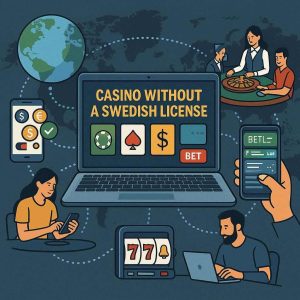
 Online gambling has changed the way people interact with entertainment and digital finance. One topic that often appears in discussions about international betting markets is the casino without a Swedish license (source: casino utan svensk licens). These platforms operate outside the regulatory system of Sweden’s national gambling authority. Many players explore them because they offer different rules, bonuses, and gaming options compared to locally licensed casinos.
The growth of these casinos reflects a wider economic shift. Online gambling is now part of the global digital economy. Technology allows players to access platforms based in other countries within seconds. This has created a competitive market where operators try to attract players with better offers and flexible systems.
Understanding how these casinos fit into the wider betting economy helps players and analysts see why they continue to attract attention.
How International Licensing Shapes the Gambling Market
Most countries regulate gambling through national authorities. In Sweden, operators must obtain a license from the Swedish Gambling Authority to offer services legally within the country. The license includes strict rules about player protection, advertising, and responsible gambling tools.
A casino without a Swedish license operates under a different jurisdiction. These platforms may hold licenses from authorities in Malta, Curacao, or other regions. Each licensing body has its own rules and compliance standards.
This difference creates a varied landscape for online gambling. Some players prefer Swedish licensed casinos because they follow strict consumer protection measures. Others look at foreign platforms because they may provide features that local regulations restrict.
For example, Swedish regulations include deposit limits and mandatory self exclusion tools. While these policies aim to protect players, some gamblers feel that they limit flexibility. As a result, certain users explore international platforms.
From an economic perspective, this situation reflects global competition. Online casinos operate across borders, which means they compete not only locally but also internationally.
Economic Impact of Cross Border Gambling Platforms
The presence of casinos without Swedish licenses shows how digital markets reduce geographical limits. A gambling platform can operate in one country while serving players from many others. This allows operators to reach larger audiences and scale their services quickly.
For governments, this raises questions about taxation and regulation. Licensed casinos within Sweden contribute to national tax revenue. When players use international platforms, that revenue may flow to other jurisdictions instead.
However, the broader betting economy still grows. Software providers, payment processors, and game developers benefit from increased demand. Many casino platforms rely on global networks of technology partners.
Game studios design slot games, table games, and live dealer experiences that casinos integrate into their platforms. Payment companies also play a major role. Digital wallets, cryptocurrency, and international payment gateways make cross border gambling possible.
This ecosystem creates jobs in technology, marketing, cybersecurity, and customer support. Even when casinos operate outside a specific country’s license system, they still contribute to the global digital economy.
Why Players Explore Casinos Without Swedish Licenses
Several factors explain why some players choose these platforms. One major reason is promotional flexibility. Swedish licensed casinos face strict limits on bonuses and promotional campaigns. Foreign casinos may offer larger welcome bonuses or ongoing rewards.
Game selection also plays a role. International casinos often partner with a wide range of game providers. This allows them to offer extensive libraries of slot games, table games, and live casino experiences.
Payment methods are another factor. Some international platforms support alternative payment systems, including cryptocurrency. For players interested in digital assets, this option can be appealing.
However, players should always evaluate the reliability of any gambling platform. Licensing from recognized authorities, transparent terms, and responsible gaming tools are important indicators of trust.
The global gambling industry continues to grow as technology evolves. Mobile apps, live streaming, and digital currencies expand the ways people interact with online casinos. In this environment, casinos operating outside national licensing systems remain part of the broader market.
Understanding how they fit into the betting economy helps explain their ongoing popularity. While regulations differ across countries, the underlying trend is clear. Online gambling is becoming an increasingly international industry where technology connects players and operators across borders.